If you’ve ever wondered why is content marketing important, the answer is simple: people research before they buy. They search Google, compare options, read reviews, watch videos, and look for brands they can trust.
Content marketing helps your business show up during that research process.

Instead of pushing sales messages at people who may not be ready, content marketing attracts the right audience with helpful information. It supports SEO, builds authority, educates potential customers, and gives your brand a reason to stay visible online.
In this guide, you’ll learn what content marketing means, what are the benefits, how it supports small business growth, and how to start using it in a practical way.
What Is Content Marketing?
Content marketing means creating and sharing useful content to attract, educate, and convert your target audience.
This content can include:
- Blog posts
- Website pages
- Email newsletters
- Social media posts
- Videos
- Case studies
- Guides
- Infographics
- Podcasts
- FAQs
- Product tutorials
The goal is not to sell in every sentence. The goal is to help people solve problems, answer questions, and understand why your business is a good choice.
Content Marketing vs. Traditional Marketing
Traditional marketing often interrupts people. Think ads, cold calls, flyers, or direct sales pitches.
Content marketing works differently. It meets people when they are already looking for information.
| Traditional Marketing | Content Marketing |
| Pushes a message | Attracts interested people |
| Often short-term | Builds long-term value |
| Focuses on selling | Focuses on helping first |
| Stops when the budget stops | Can keep driving traffic over time |
| Interrupts attention | Earns attention |
For example, a web designer could run an ad saying, “Hire me for a new website.” That may work for some people.
But a blog post titled “How to Know When Your Small Business Website Needs a Redesign” helps potential clients understand their problem first. That builds trust before the sales conversation starts.
What to do next: Think about the top five questions your customers ask before buying. Those questions can become your first content ideas.
Why Is Content Marketing Important for Small Businesses?
Content marketing matters because small businesses need trust, visibility, and consistent leads. You may not have the biggest advertising budget, but you can compete by being helpful, specific, and consistent.
When people find your content online, they begin to see your brand as a reliable resource. Over time, that trust can turn into traffic, inquiries, bookings, and sales.
It Helps Customers Find You Online
Most buying journeys start with a search. Someone may type:
- “best website platform for small business”
- “how to improve local SEO.”
- “why my website is not getting leads.”
- “how often should I post on my blog.”
- “content marketing for startups”
If your website answers those questions, you have a chance to appear in search results.
That matters because search traffic often has strong intent. These people already have a problem. Your content can guide them toward a solution.
It Builds Trust Before the First Call
People rarely hire a business they do not trust. Content helps them understand your expertise before they ever contact you.
A strong blog post, service page, guide, or case study can show that you:
- Understand their problem
- Know how to solve it
- Have experience in your field
- Can explain ideas clearly
- Care about helping, not just selling
This is especially useful for service-based businesses, consultants, designers, marketers, coaches, and startups.
It Supports Every Stage of the Customer Journey
Not every visitor is ready to buy today. Some are just learning. Others are comparing options. A few are ready to take action.
Content helps you support each stage.
| Customer Stage | What They Need | Content Example |
| Awareness | Understand the problem | “Why Your Website Is Not Getting Leads” |
| Consideration | Compare solutions | “SEO vs. Paid Ads: Which Is Better?” |
| Decision | Feel confident choosing you | Case study, testimonials, service page |
| Retention | Get more value | Email tips, tutorials, customer guides |
What to do next: Create content for each stage, not just for people ready to buy now.
What Are the Benefits of Content Marketing?
If you’re asking, “What are the benefits of content marketing?” the biggest answer is this: it creates long-term business value.

A single helpful article can attract visitors, answer questions, build trust, and generate leads for months or even years.
Here are the most important benefits.
1. Better SEO and Organic Traffic
Search engines need content to understand your website. The more helpful, relevant content you publish, the more opportunities you create to rank for valuable keywords.
Content marketing improves SEO by helping you:
- Target search terms your customers use
- Build topical authority
- Answer common questions
- Earn backlinks over time
- Keep your website active and useful
- Create internal links between related pages
For example, if you offer SEO services, you could publish blog posts about keyword research, local SEO, technical SEO, and content strategy. Each article gives Google more context about your expertise.
2. Stronger Brand Authority
People trust brands that teach them something useful.
When your content explains topics clearly, your audience starts to see you as an expert. This authority makes sales conversations easier because prospects already believe you know what you’re doing.
For example, a startup consultant who publishes guides about business planning, pricing, and customer research can build credibility before a discovery call.
3. More Qualified Leads
Content attracts people who are already interested in your topic. That means your leads can be more qualified than random traffic from broad advertising.
A person who reads “How to Choose the Right Web Design Agency” may already be thinking about hiring one. If your article is useful and includes a clear call to action, that reader may contact you.
4. Lower Long-Term Marketing Costs
Paid ads stop working when you stop paying. Content can keep working after you publish it.
Of course, content still takes time, strategy, and effort. But over time, it can reduce your need to rely only on paid traffic.
A strong blog post can:
- Bring organic traffic
- Support email campaigns
- Feed social media content
- Help sales teams answer questions
- Improve website engagement
That makes content one of the most flexible marketing assets you can build.
5. Better Customer Education
Confused buyers delay decisions. Educated buyers move faster.
Content helps explain your process, pricing, services, and value. This reduces hesitation and improves lead quality.
For example, if clients often ask why SEO takes time, write an article explaining the timeline. If they ask what makes a good landing page, create a checklist.
6. More Social Media Content
Many businesses struggle with what to post on social media. A content marketing strategy solves that problem.
One blog post can become:
- 5 LinkedIn posts
- 3 Instagram carousel ideas
- 1 email newsletter
- 1 short video script
- Several X posts
- A Pinterest pin
- A lead magnet section
This keeps your message consistent across channels.
7. Higher Conversion Rates
Helpful content can remove doubt. It can answer objections before a prospect speaks with you.
For example, a service page that explains your process, timeline, deliverables, and results can convert better than a page with only a short description.
Good content helps visitors think, “This person understands what I need.”
8. Stronger Customer Relationships
Content does not stop after the sale. You can use it to onboard clients, explain next steps, and keep customers engaged.
Examples include:
- Welcome guides
- How-to resources
- Monthly newsletters
- Product tips
- Client checklists
- Educational videos
This improves the customer experience and can lead to repeat business.
9. Competitive Advantage
Many small businesses still publish thin, generic content. That creates an opportunity.
If you create practical, clear, and useful content, you can stand out even in a crowded market.
You do not need to sound like a large company. You need to sound helpful, credible, and clear.
10. Long-Term Business Growth
Content marketing compounds over time. Each useful page can support your website, your SEO, your brand, and your sales process.
It may not deliver overnight results, but it builds a foundation that keeps working.
Quick recap: Content marketing helps you get found, build trust, educate buyers, and convert more leads without relying only on ads.
How Content Marketing Supports SEO, Web Design, and Digital Marketing
Content marketing connects many parts of your online presence. It is not separate from SEO, web design, or digital marketing. It strengthens all of them.
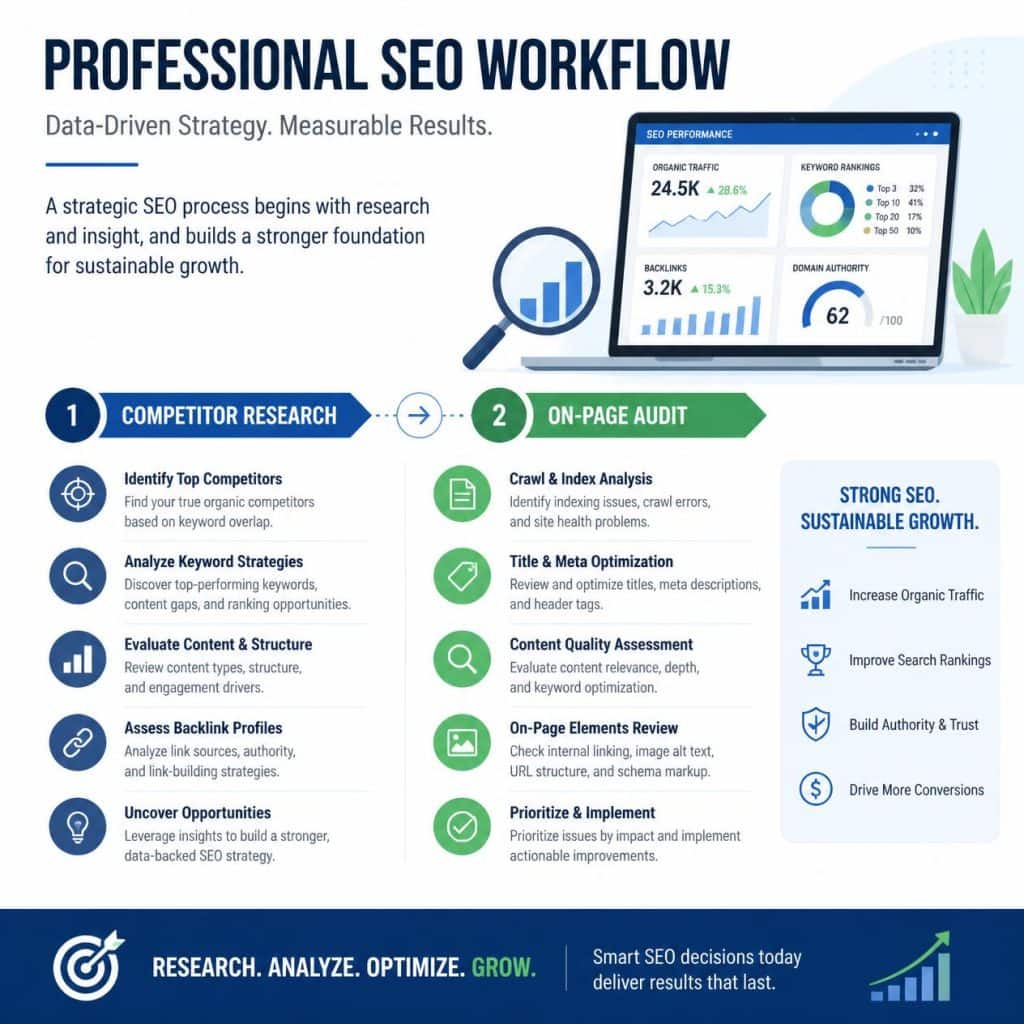
Content Marketing and SEO
SEO helps people find your website. Content gives them something valuable to find.
Strong SEO content includes:
- Clear keyword targeting
- Helpful answers
- Search-friendly headings
- Internal links
- Readable formatting
- Strong page titles and meta descriptions
- Original insights or examples
If your website has only a homepage and a few service pages, you have limited ranking opportunities. Blog content, guides, and FAQs expand your reach.
Content Marketing and Web Design
A beautiful website still needs strong messaging. Design attracts attention, but content guides action.
Your website content should explain:
- Who you help
- What problem do you solve
- Why your solution matters
- What makes you different
- What visitors should do next
For example, a homepage with clear copy, useful service descriptions, and helpful FAQs can turn more visitors into leads.
Content Marketing and Social Media
Social media moves fast. Content marketing gives your posts more depth.
Instead of posting random tips, you can build posts around larger content themes. This makes your brand feel more focused.
For example, if your monthly theme is “local SEO,” you can create:
- One blog post about local SEO basics
- One Instagram carousel with quick tips
- One LinkedIn post about common mistakes
- One email with a checklist
- One short video answering a local SEO question
This saves time and improves consistency.
Practical Content Marketing Examples for Beginners
Content marketing becomes easier when you see how it works in real life.
Here are a few simple examples for small businesses and startups.
Example 1: Local Service Business
A local cleaning company wants more website leads.
They could create content like:
- “How Often Should You Deep Clean Your Office?”
- “Move-Out Cleaning Checklist for Renters”
- “Commercial Cleaning vs. Janitorial Services”
- “How to Choose a Cleaning Company”
These articles attract people searching for cleaning help. They also answer questions before someone requests a quote.
Example 2: Web Designer
A freelance web designer wants to attract small business clients.
They could publish:
- “How Much Does a Small Business Website Cost?”
- “5 Signs Your Website Needs a Redesign.”
- “Website Homepage Checklist for Better Conversions”
- “SEO Basics Every Website Owner Should Know”
This content shows expertise and speaks directly to common client concerns.
Example 3: Startup Founder
A startup founder wants to build early trust.
They could create:
- Founder updates
- Product education posts
- Comparison guides
- Customer problem articles
- Behind-the-scenes content
- Case studies or beta user stories
This helps people understand the product and the mission behind it.
Example 4: Marketing Consultant
A marketing consultant wants better leads.
They could create:
- “SEO vs. Paid Ads: Which Should You Choose?”
- “How to Build a Simple Marketing Strategy”
- “Why Your Website Traffic Is Not Converting”
- “Content Marketing Plan for Small Businesses”
This content attracts people who need guidance and may be ready to hire expert help.
How to Start a Content Marketing Strategy
You do not need a huge team to start content marketing. You need a clear plan and consistent execution.
Use this simple framework.
Step 1: Define Your Audience
Start with who you want to reach.
Ask:
- Who is my ideal customer?
- What problems do they have?
- What questions do they ask?
- What do they already know?
- What do they misunderstand?
- What would help them trust me?
The more specific your audience, the easier your content becomes.
Step 2: Choose Your Core Topics
Pick 3–5 main topics connected to your services.
For example, a digital marketing website may focus on:
- SEO
- Website design
- Content marketing
- Lead generation
- Small business branding
These topics become your content pillars.
Step 3: Research Keywords Naturally
Keyword research helps you understand what people search for.
Look for keywords with:
- Clear intent
- Business relevance
- Beginner-friendly questions
- Local or niche opportunities
- Long-tail phrases
For example, instead of only targeting “content marketing,” you might target “why is content marketing important for small businesses.”
That phrase has a clearer intent and attracts a more specific reader.
Step 4: Create Helpful Content
Your content should answer the searcher’s question better than competing pages.
Include:
- Clear definitions
- Practical examples
- Step-by-step advice
- Common mistakes
- FAQs
- Next steps
Do not write only for search engines. Write for the person behind the search.
Step 5: Add Clear Calls to Action
Every content piece should guide readers somewhere.
Your CTA could invite them to:
- Contact you
- Book a consultation
- View your services
- Download a guide
- Read a related article
- Join your email list
Keep it natural. If someone found value in your content, they may want your help.
Step 6: Repurpose and Promote
Publishing is only the first step.
Share your content through:
- X
- Internal website links
- Client conversations
One strong blog post can fuel several weeks of marketing.
Common Content Marketing Mistakes to Avoid
Content marketing works best when you stay strategic. Many beginners make the same avoidable mistakes.
Mistake 1: Writing Without a Goal
Do not publish content just to fill your blog.
Every piece should support a goal, such as:
- Ranking for a keyword
- Educating prospects
- Supporting a service page
- Answering a sales question
- Building trust with a specific audience
Before writing, ask: “What should this content help the reader do?”
Mistake 2: Targeting Keywords That Are Too Broad
Broad keywords can be hard to rank for and may attract the wrong audience.
For example, “marketing” is too broad. “Content marketing ideas for small businesses” is more useful and specific.
Specific keywords often bring better leads.
Mistake 3: Being Too Generic
Generic content does not stand out.
Add your own:
- Examples
- Opinions
- Process
- Client scenarios
- Lessons learned
- Checklists
- Frameworks
This makes your content more useful and more memorable.
Mistake 4: Forgetting Conversion
Traffic alone does not grow your business. You need to guide visitors toward action.
Add relevant CTAs throughout your website, such as:
- “View my SEO services.”
- “Book a free consultation.”
- “Contact me for a website audit.”
- “Read the next guide.”
Make the next step easy.
Mistake 5: Publishing Once and Stopping
Content marketing rewards consistency. You do not need to publish daily, but you should keep showing up.
A simple starting schedule:
- 2 blog posts per month
- 1 email newsletter per month
- 2–3 social posts per week
- Quarterly content updates
Consistency builds momentum.
Quick Content Marketing Checklist
Use this checklist before publishing any blog post, guide, or service page.
- Does the content target a clear audience?
- Does it answer a specific question?
- Does the primary keyword appear naturally?
- Is the title clear and useful?
- Are the headings easy to scan?
- Are paragraphs short?
- Does it include examples or practical advice?
- Does it link to related pages?
- Does it include a clear CTA?
- Does it help the reader take the next step?
If you can check most of these boxes, your content has a much better chance of working.
Content Marketing Builds Trust That Leads to Growth
So, why is content marketing important? Because your customers need information before they make decisions. Content gives them that information while helping your business earn attention, trust, and visibility.
Here’s the quick recap:
- Content marketing improves SEO and organic traffic.
- It builds authority before people contact you.
- It educates buyers and reduces confusion.
- It supports social media, email, and web design.
- It creates long-term value for your business.
You do not need to create perfect content from day one. Start with your audience’s biggest questions. Answer them clearly. Add examples. Stay consistent.
Over time, your content can become one of your strongest marketing assets.
FAQ
What is content marketing in simple terms?
Content marketing means creating helpful content that attracts and educates your target audience. Instead of only promoting your business, you answer questions, solve problems, and build trust.
Why is content marketing important for small businesses?
Content marketing helps small businesses get found online, build trust, explain their services, and attract better leads. It can also support SEO and reduce dependence on paid ads over time.
What are the benefits of content marketing?
The main benefits include better search visibility, stronger brand authority, more qualified leads, improved customer education, more social media content, and long-term business growth.
How long does content marketing take to work?
Content marketing often takes several months to show strong results, especially for SEO. However, you can see earlier benefits through social media engagement, email growth, and better sales conversations.
Is content marketing good for SEO?
Yes. Content marketing supports SEO by giving search engines useful pages to rank. It also helps you target keywords, answer search intent, build internal links, and improve website relevance.
What types of content should beginners create first?
Beginners should start with content that answers common customer questions. Blog posts, FAQs, service pages, checklists, and simple guides are great starting points.
How often should I publish content?
Start with a schedule you can maintain. For many small businesses, two high-quality blog posts per month and a few weekly social posts can create steady momentum.
Do I need a blog for content marketing?
A blog helps, but it is not the only option. You can also use videos, emails, guides, case studies, social media posts, and landing pages. However, blog content works very well for SEO.
Need Help With Content Marketing?
If you want content that attracts the right audience, improves SEO, and turns website visitors into leads, I can help.
View my services or contact me to discuss your content marketing, SEO, or website strategy. Let’s build content that works for your business long after it’s published.