SEO is not just about ranking higher on Google. It is about building a stronger online presence, attracting the right people, and turning website visitors into leads and customers. That is exactly how SEO powers your entire marketing strategy: it connects your content, website, audience, and business goals into one clear growth system.
For small business owners, startups, and beginners, SEO can feel technical at first. But at its core, it is simple. SEO helps people find you when they are already searching for what you offer. Whether you provide web design, coaching, local services, online products, or digital marketing support, SEO can make every part of your marketing work better.
Why SEO Is More Than Just Google Rankings
Many people think SEO starts and ends with keywords.
Keywords matter, but SEO goes much deeper than that.
A strong SEO strategy helps you understand:
- What your audience is searching for
- What problems they want to solve
- What questions they ask before buying
- What type of content builds trust
- How your website should be structured
- Which pages help turn visitors into customers
In other words, SEO gives your marketing direction.
Instead of guessing what to post, write, design, or promote, you can use search data to make smarter decisions.
For example, if you own a web design business and notice people search for “affordable website design for small businesses,” that tells you something important. Your audience wants budget-friendly, professional help. You can then create a service page, blog post, FAQ, and social media content around that topic.
That is SEO working beyond rankings.
It is helping shape your message.
What Is the Role of SEO in Digital Marketing?
What Is the Role of SEO in Digital Marketing? SEO acts as the foundation that supports your website, content, lead generation, and brand visibility.
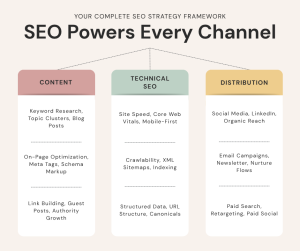
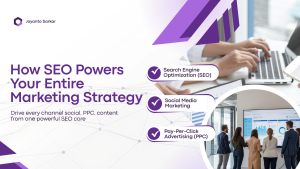
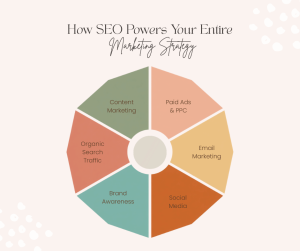
Digital marketing includes many channels, such as:
- Social media marketing
- Email marketing
- Paid advertising
- Content marketing
- Web design
- Branding
- Local marketing
- Conversion optimization
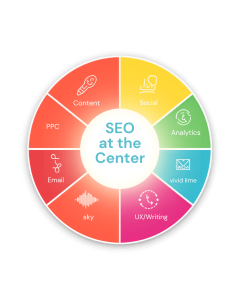
SEO connects with all of them.
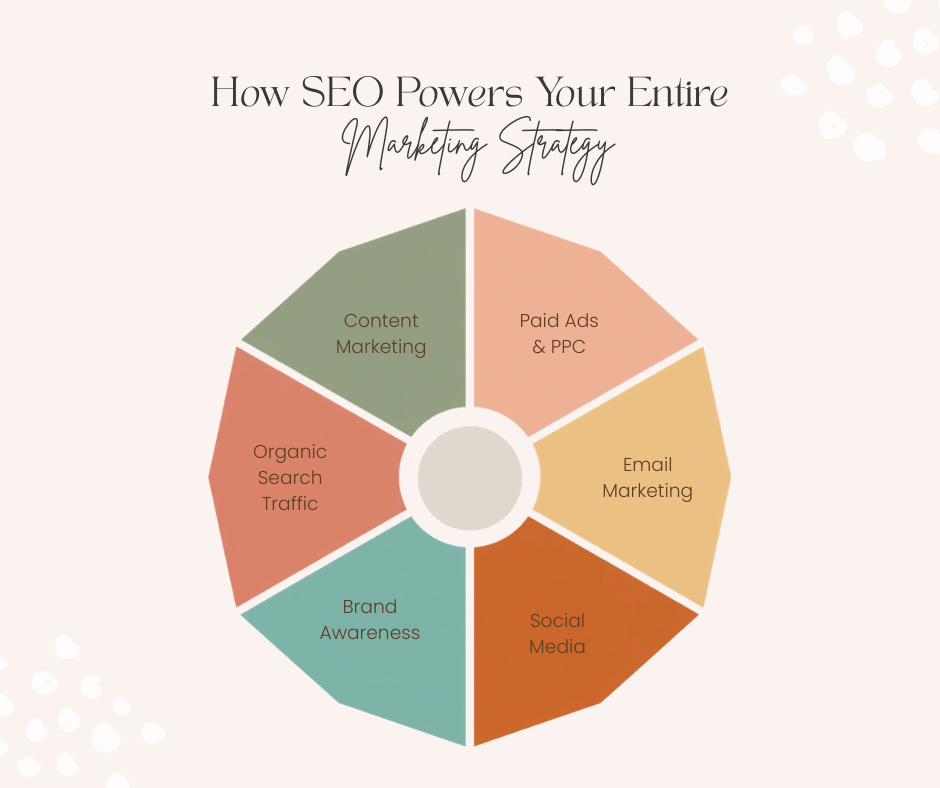
When your SEO strategy is strong, your website becomes easier to find, easier to use, and more aligned with what your customers need.
SEO Supports Content Marketing
Content marketing works best when your content answers real questions.
SEO helps you discover those questions.
Instead of writing random blog posts, you can create helpful content based on what people are already searching for.
Examples include:
- “How much does a small business website cost?”
- “Best SEO tips for beginners”
- “Why is my website not getting traffic?”
- “How to improve local search rankings.”
Each search query can become a blog post, service page, video topic, email, or social post.
SEO Improves Website Strategy
Good SEO is not only about words on a page.
It also affects how your website is built.
A well-optimized website should be:
- Fast
- Mobile-friendly
- Easy to navigate
- Clear in its messaging
- Structured around important services
- Helpful for visitors
- Easy for search engines to understand
If your website looks nice but does not bring in leads, SEO can help identify what is missing.
Maybe your service pages need stronger copy. Maybe your site structure is confusing. Maybe you need better calls to action. Maybe your pages are targeting keywords that do not match buyer intent.
SEO helps uncover those gaps.
SEO Strengthens Brand Trust
People trust businesses they can find.
When your website appears in search results for helpful topics, your brand becomes more familiar. Over time, this builds authority.
For example, a startup founder may first find your blog post about website planning. Later, they may read your guide on SEO basics. Then they may visit your services page.
By the time they contact you, they already see you as helpful and knowledgeable.
That trust makes the sales process easier.
How SEO Powers Your Entire Marketing Strategy From Start to Finish
Understanding how SEO powers your entire marketing strategy starts with seeing SEO as a long-term growth engine, not a one-time task.
SEO supports every stage of the customer journey.
1. SEO Helps People Discover Your Business
Before someone becomes a customer, they need to know you exist.
SEO helps your website show up when people search for:
- Problems they need solved
- Services they want to compare
- Questions related to your industry
- Local businesses near them
- Helpful advice before making a decision
This is powerful because search traffic often has strong intent.
Someone searching “SEO services for small business” is not just scrolling for fun. They may be actively looking for help.
2. SEO Attracts the Right Audience
Not all traffic is good traffic.
You want visitors who are likely to care about your services, read your content, and take action.
SEO helps you target the right people through smart keyword research and content planning.
For example:
- A beginner may search “what is SEO and why does it matter?”
- A small business owner may search “how to get more website traffic.”
- A startup may search for “best digital marketing strategy for a new business.”
- A local service provider may search “how to rank higher on Google Maps.”
Each search shows a different level of awareness.
When you understand this, you can create content for each type of visitor.
3. SEO Makes Your Content More Strategic
Without SEO, content can become random.
You might post blogs, social updates, or website pages without knowing if your audience is actually interested.
SEO gives your content a purpose.
It helps you decide:
- Which topics to cover
- Which keywords to target
- What questions to answer
- What pages to improve
- What content can support your services
- How to guide readers toward the next step
This turns content into a business asset.
A well-optimized blog post can bring visitors to your site for months or even years.
4. SEO Improves Lead Generation
SEO does not stop at traffic.
The goal is not just to get more visitors. The goal is to get the right visitors and help them take action.
That action could be:
- Booking a consultation
- Filling out a contact form
- Viewing your services
- Downloading a guide
- Joining your email list
- Calling your business
Strong SEO works with conversion-focused web design.
That means your pages should include:
- Clear headlines
- Simple navigation
- Strong calls to action
- Trust-building copy
- Helpful service details
- Easy contact options
- Fast loading speed
When SEO and web design work together, your website becomes more than an online brochure. It becomes a lead generation tool.
Practical Examples of SEO in a Marketing Strategy
Let’s look at how SEO can support different types of businesses.
Example 1: A Local Service Business
Imagine you own a cleaning company.
Instead of only posting on social media, you create SEO-focused pages for:
- House cleaning services
- Move-out cleaning
- Deep cleaning
- Office cleaning
- Cleaning services in your city
You also write blog posts like:
- “How often should you deep clean your home?”
- “Move-out cleaning checklist for renters”
- “What is included in a professional cleaning service?”
Now your website can attract people searching for those exact services.
Example 2: A Web Designer
If you offer web design, SEO can help you attract clients who need better websites.
You might create content around:
- “Website design for small businesses”
- “Why is your website not converting?”
- “How to plan a business website?”
- “SEO-friendly website design?”
This positions you as both a designer and a strategic partner.
You are not just making websites look good. You are helping businesses grow.
Example 3: A Startup Consultant
A startup consultant could use SEO to reach founders searching for early-stage guidance.
Content topics might include:
- “How to create a startup marketing plan.”
- “Digital marketing basics for startups”
- “How to validate a business idea.”
- “Best website pages for a new business”
Each piece of content helps build trust before the visitor ever books a call.
Key Ways SEO Supports Your Other Marketing Channels
SEO becomes even more powerful when it works with your full marketing strategy.
SEO and Social Media
Social media is great for visibility and engagement, but posts often have a short lifespan.
SEO content lasts longer.
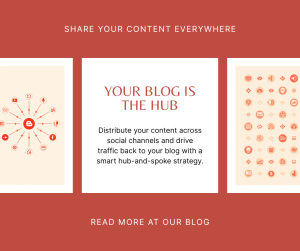
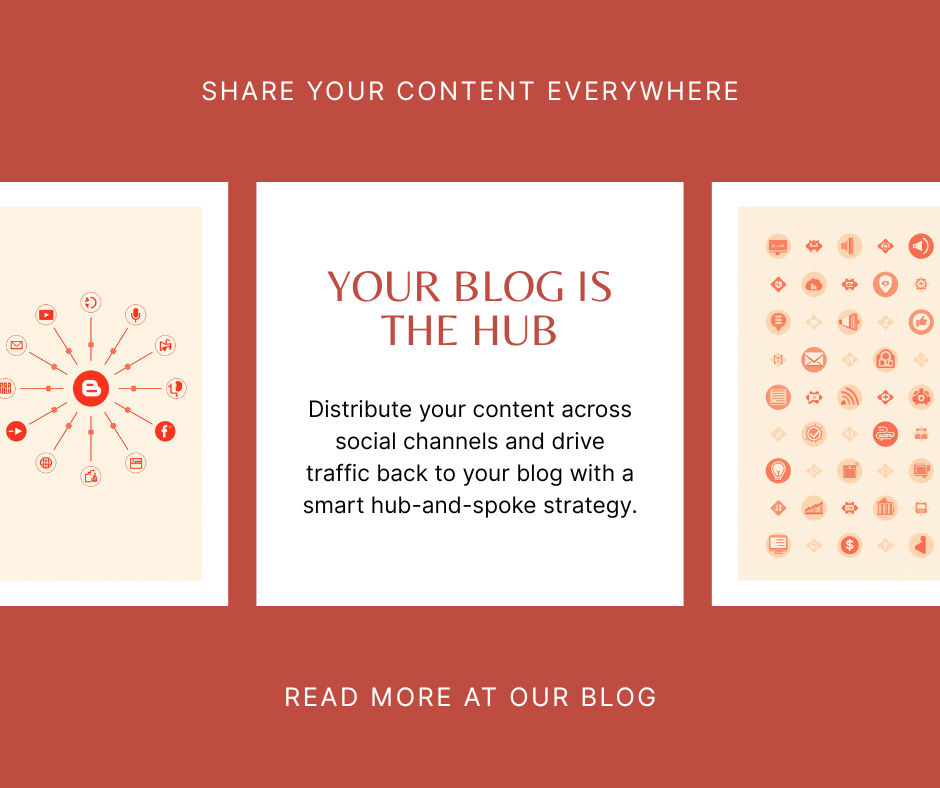
You can turn one SEO blog post into:
- Several social media captions
- A carousel post
- A short video script
- An email newsletter
- A Pinterest pin
- A LinkedIn post
This saves time and keeps your message consistent.
SEO and Email Marketing
SEO brings people to your website.
Email helps you stay connected with them.
For example, a visitor may find your blog post through Google and then sign up for your free checklist. From there, you can nurture them through email until they are ready to buy.
SEO starts the relationship. Email strengthens it.
SEO and Paid Ads
Paid ads can bring fast traffic, but they stop working when you stop paying.
SEO builds long-term visibility.
Also, SEO data can improve your ad strategy. If a keyword performs well organically, it may be worth testing in paid campaigns.
On the other hand, paid ad data can reveal high-converting keywords that you can use in your SEO content.
SEO and Branding
Your brand is not just your logo or color palette.
It is also what people think of when they find you online.
Helpful SEO content shows that your brand is:
- Knowledgeable
- Trustworthy
- Clear
- Professional
- Easy to work with
This matters, especially for service-based businesses where trust drives decisions.
Important SEO Elements Every Small Business Should Know
You do not need to become an SEO expert overnight.
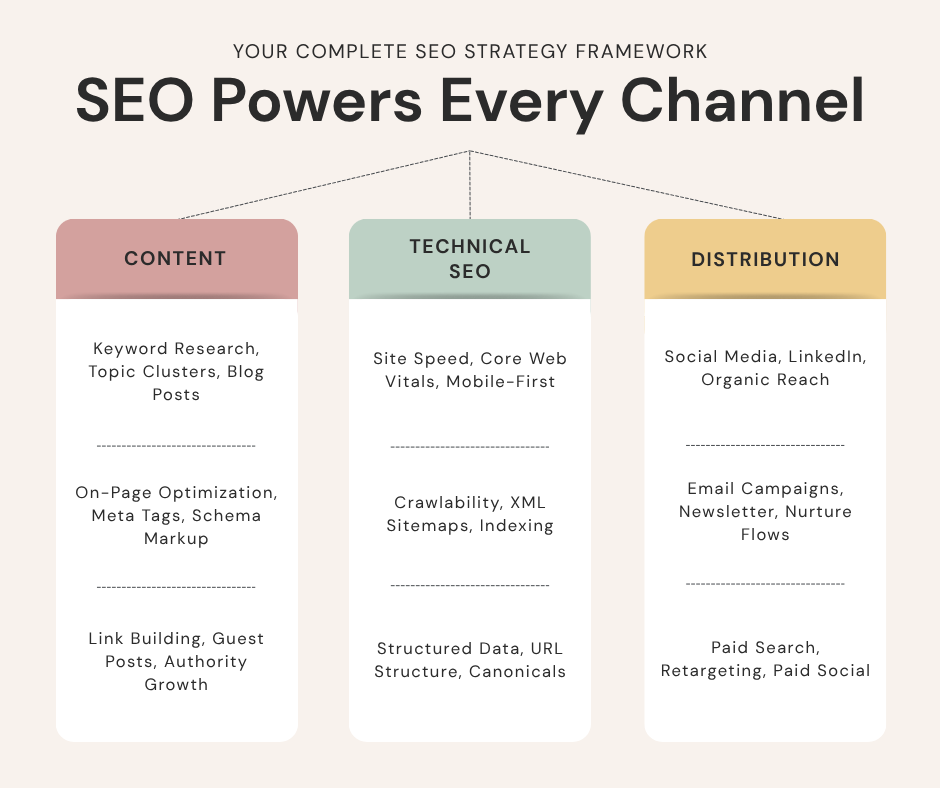
But you should understand the basic parts of a strong SEO strategy.
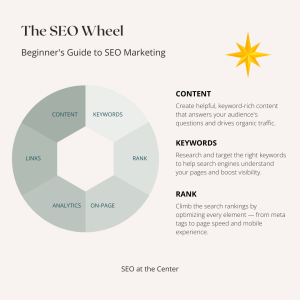
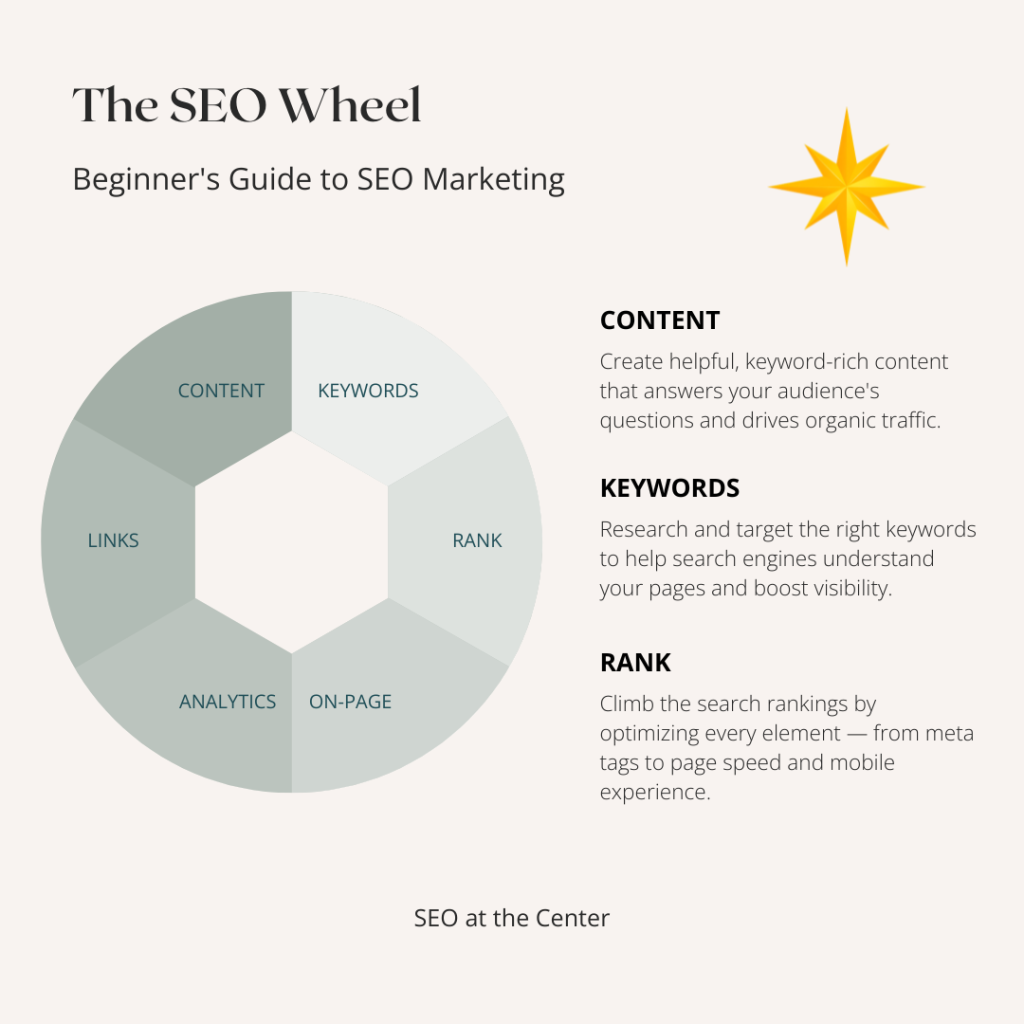
Keyword Research
Keyword research helps you find the words and phrases your audience uses when searching online.
Good keywords are usually connected to:
- Your services
- Your location
- Your customer problems
- Your industry topics
- Buyer questions
The goal is not to chase every keyword. The goal is to choose keywords that match your business and your audience.
On-Page SEO
On-page SEO means optimizing individual pages on your website.
This includes:
- Page titles
- Meta descriptions
- Headings
- URL structure
- Internal links
- Image alt text
- Helpful content
- Clear calls to action
On-page SEO and SEO friendly URLs helps both people and search engines understand your content.
Technical SEO
Technical SEO focuses on how well your website functions.
Important technical SEO factors include:
- Site speed
- Mobile responsiveness
- Secure browsing
- Clean site structure
- Working links
- Proper indexing
- Easy navigation
A beautiful website can still struggle if the technical foundation is weak.
Local SEO
Local SEO helps businesses show up for location-based searches.
This is especially important for:
- Restaurants
- Service providers
- Clinics
- Consultants
- Real estate professionals
- Local shops
- Home service businesses
Local SEO often includes optimizing your Google Business Profile, collecting reviews, and creating location-specific website pages.
Content SEO
Content SEO focuses on creating useful content that matches search intent.
Search intent means the reason behind a search.
For example, someone searching “what is SEO” wants education. Someone searching “SEO consultant near me” is likely closer to hiring.
Your content should match where the reader is in their decision process.
Common SEO Mistakes That Hold Businesses Back
Many small businesses know SEO matters, but they struggle because they focus on the wrong things.
Here are common mistakes to avoid:
- Choosing keywords that are too broad
- Writing content without a clear purpose
- Ignoring local SEO
- Having slow website pages
- Using confusing website navigation
- Forgetting to add calls to action
- Publishing thin or generic content
- Not updating old pages
- Treating SEO as a one-time project
SEO works best when it is consistent.
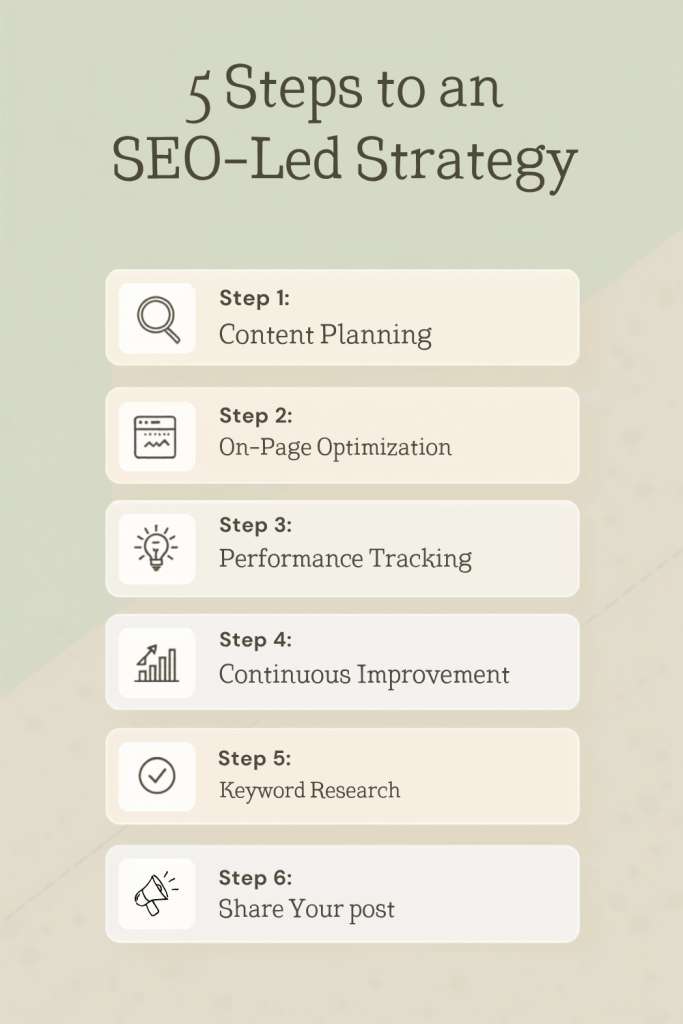
You do not need to do everything at once. But you do need a clear plan.
How to Start Using SEO in Your Marketing Strategy
If you are new to SEO, start simple.
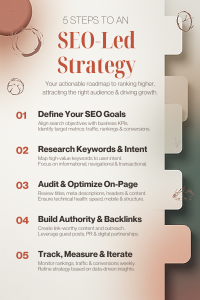
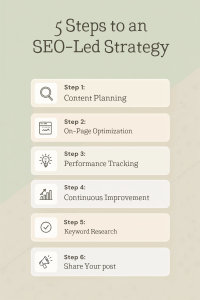
Here is a beginner-friendly process:
- Define your main services
Know exactly what you want to be found for. - Identify your ideal audience
Think about their problems, questions, and goals. - Research search terms
Look for keywords related to your services and customer needs. - Optimize your core website pages
Start with your homepage, service pages, about page, and contact page. - Create helpful blog content
Answer common questions your customers ask before buying. - Improve your website experience
Make sure your site is fast, mobile-friendly, and easy to use. - Add clear calls to action
Guide visitors toward contacting you, booking a call, or viewing your services. - Track and improve
Review what is working and update your content over time.
Small steps can lead to strong results when you stay consistent.
Conclusion: SEO Is the Strategy Behind Sustainable Growth
SEO is not just a marketing task to check off your list. It is one of the most important parts of building a strong online presence.
When you understand how SEO powers your entire marketing strategy, you can make better decisions about your website, content, branding, and lead generation.
SEO helps you attract the right audience, answer real questions, build trust, and turn your website into a stronger business tool.
You do not need to master every technical detail right away. Start with your audience. Create helpful content. Improve your website. Use keywords with purpose. Keep showing up.
Over time, SEO can become one of the most valuable growth assets in your business.
Frequently Asked Questions
What is SEO in simple terms?
SEO, or search engine optimization, is the process of improving your website so people can find it through search engines like Google. It includes keywords, content, website structure, page speed, user experience, and other factors that help your site show up for relevant searches.
How does SEO help small businesses?
SEO helps small businesses attract people who are already searching for their products or services. It can increase website traffic, build trust, improve local visibility, and generate more leads without relying only on paid ads.
What Is the Role of SEO in Digital Marketing?
SEO plays a foundational role in digital marketing. It supports content strategy, website design, lead generation, brand authority, local visibility, and long-term online growth. It helps make your other marketing efforts more focused and effective.
How long does SEO take to work?
SEO usually takes time. Some improvements can show results within a few weeks, while bigger growth often takes several months. The timeline depends on your website, competition, content quality, keywords, and consistency.
Do I need SEO if I use social media?
Yes. Social media and SEO work well together, but they serve different purposes. Social media helps with engagement and visibility, while SEO helps people find your website through search. Together, they create a stronger marketing strategy.
Can SEO improve my website conversions?
Yes. SEO can improve conversions when it is paired with strong website design and clear messaging. By attracting the right audience and guiding visitors through helpful content and calls to action, SEO can help turn traffic into leads.
Is SEO only about blog posts?
No. Blog posts are one part of SEO, but SEO also includes service pages, homepage optimization, technical improvements, local SEO, internal links, website structure, and user experience.
Need Help Building an SEO Strategy That Works?
If you want your website to do more than just look good, SEO is the place to start.
Whether you need help improving your website, planning SEO content, optimizing your service pages, or building a stronger digital marketing strategy, I can help you create a clear path forward.
Contact me today or view my services to see how we can turn your website into a stronger tool for traffic, trust, and leads.